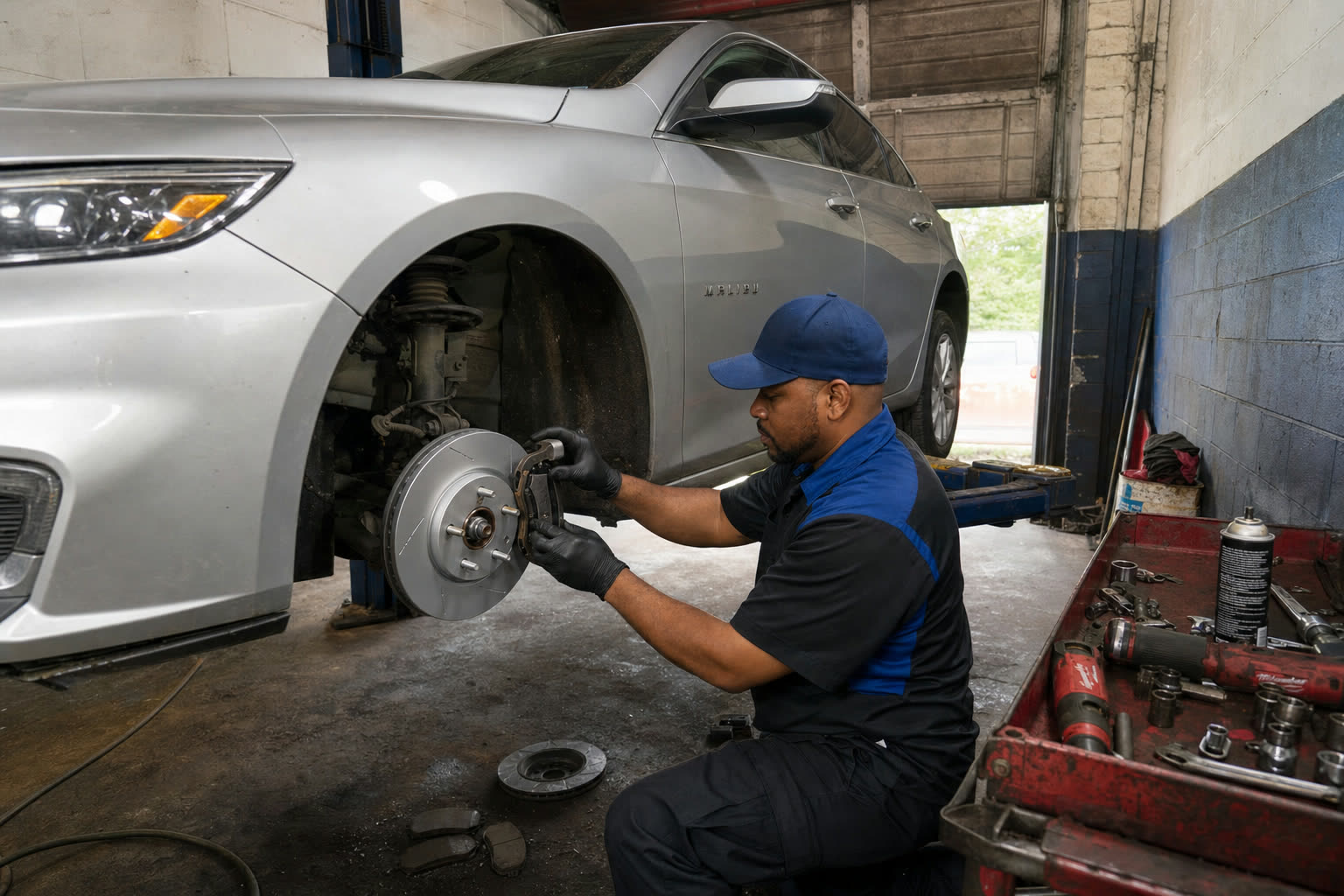
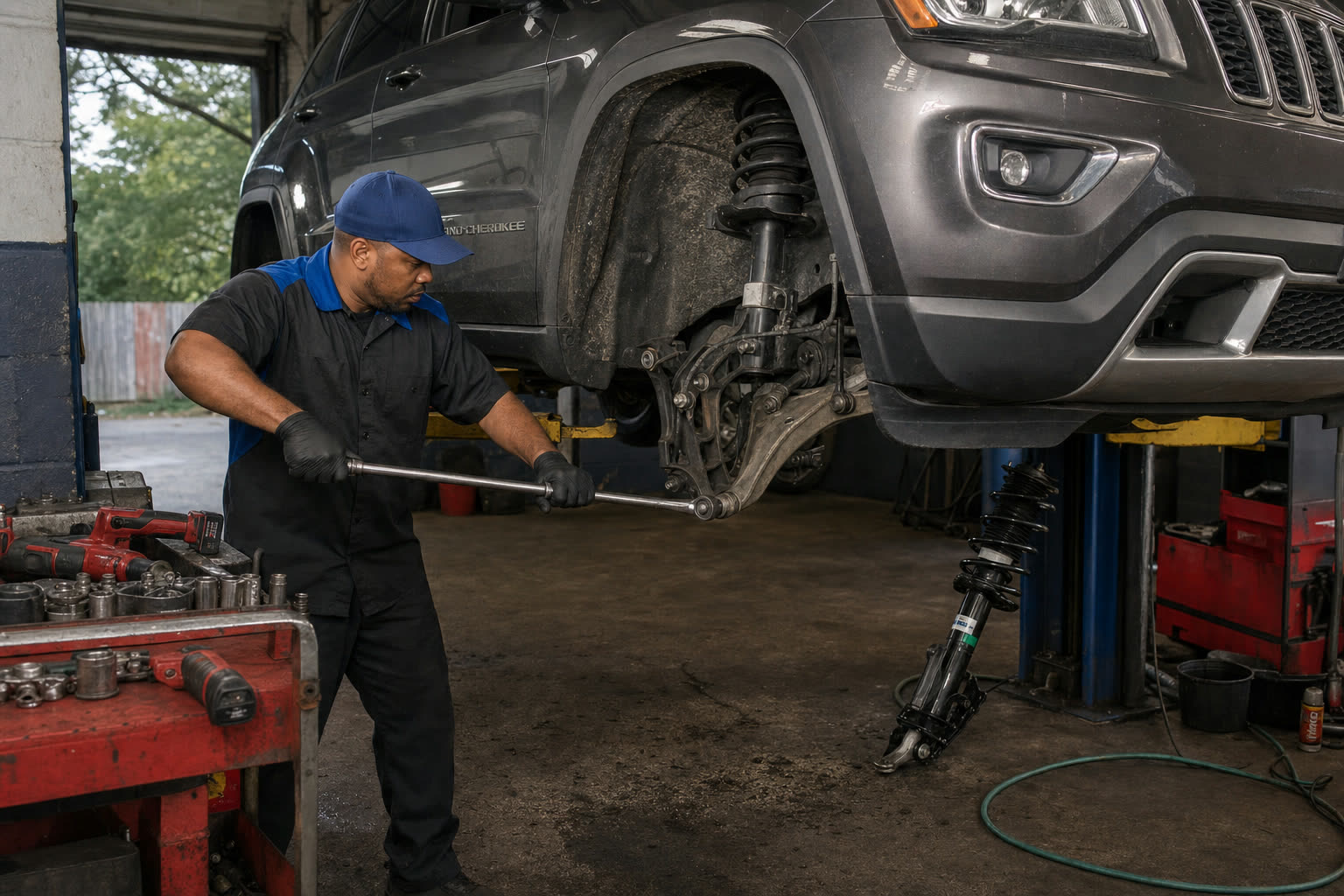
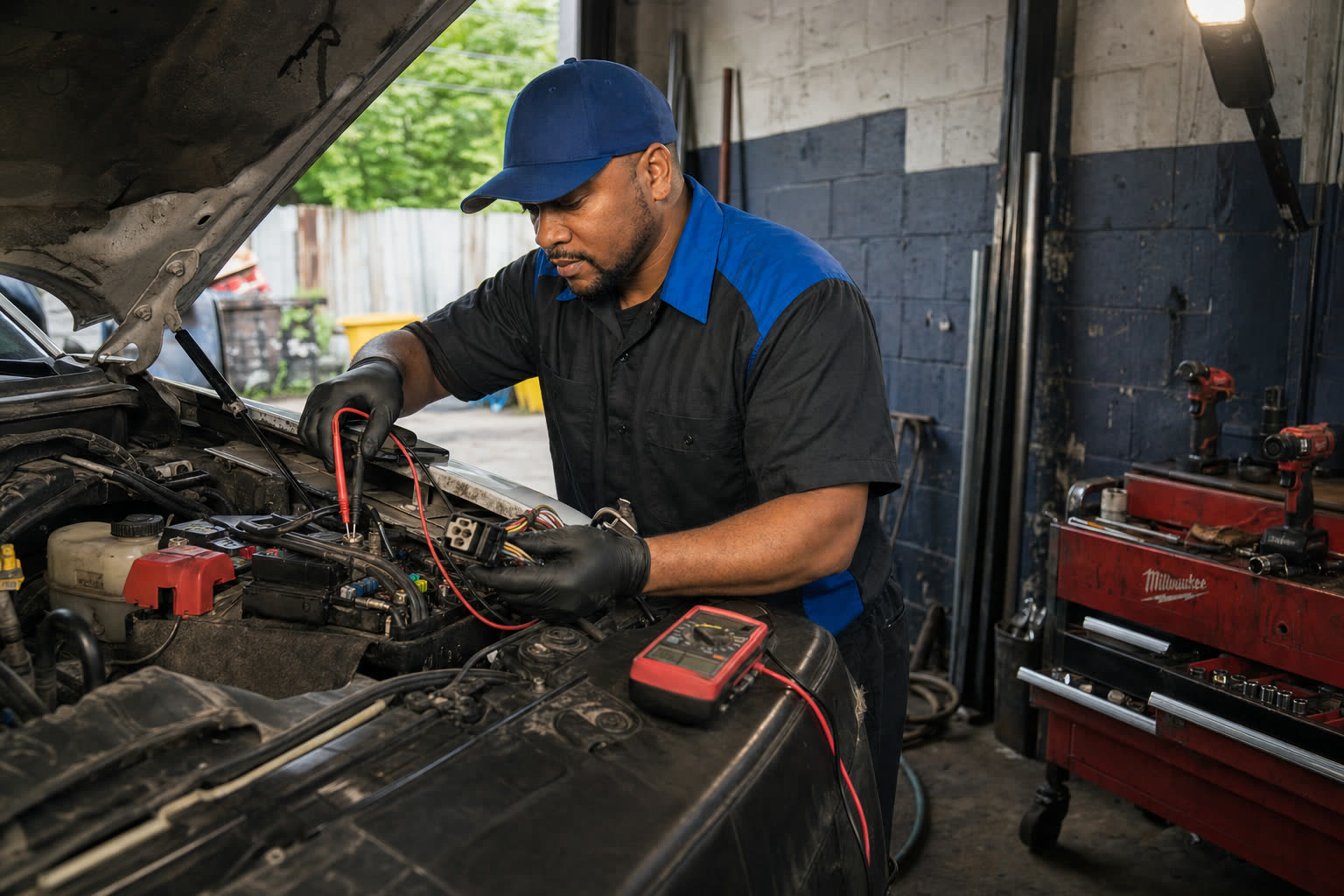
- Check lights, the hood latch, tires, leaks and steering before regular driving.
- A front hit can damage the radiator and brackets you cannot see from outside.
- Some parts can be repaired and some should be replaced. You deserve to know why.
- Paint chipped down to bare metal will rust fast once road salt hits it.
It happens fast. Someone taps your bumper at a light on Greenfield Rd, or you misjudge a pole in a tight parking lot. Nobody is hurt, but now you are standing next to your car wondering if it is safe to drive and how bad it really is. Knowing what to check after a fender bender, and what good collision repair Detroit drivers can trust looks like, takes a lot of stress out of a bad day.
This guide walks through what to check before you drive away, how repair versus replace decisions work, and why a small paint chip matters more in Michigan than most people realize.
First, Make Sure Everyone Is Safe
Before you look at the car, check on the people. If anyone is hurt, call 911. If the cars are sitting in a bad spot, move them out of traffic when it is safe and turn on your hazard lights. Trade information with the other driver and take photos of both cars, the area, and any damage, even if it looks small.
Once things settle down, take a slow walk around your car. A small dent on the outside can hide damage you cannot see right away.
What to Check Before You Drive
- Lights. Turn on the headlights, brake lights and turn signals. A cracked housing or broken bulb is a safety issue, especially at night.
- Hood and trunk. Make sure they latch. A hood that pops up while driving can block your view.
- Tires and wheels. Look for cuts, bulges, or a wheel that looks bent or pushed back.
- Loose parts. A bumper cover or trim piece hanging low can drag or fall off on the road.
- Leaks. Look under the front for green, orange or pink coolant, or dark oil.
- Warning lights. Start the car and watch the dash.
- Steering. Drive slowly in the lot. If the wheel is off-center or the car pulls, something may be bent.
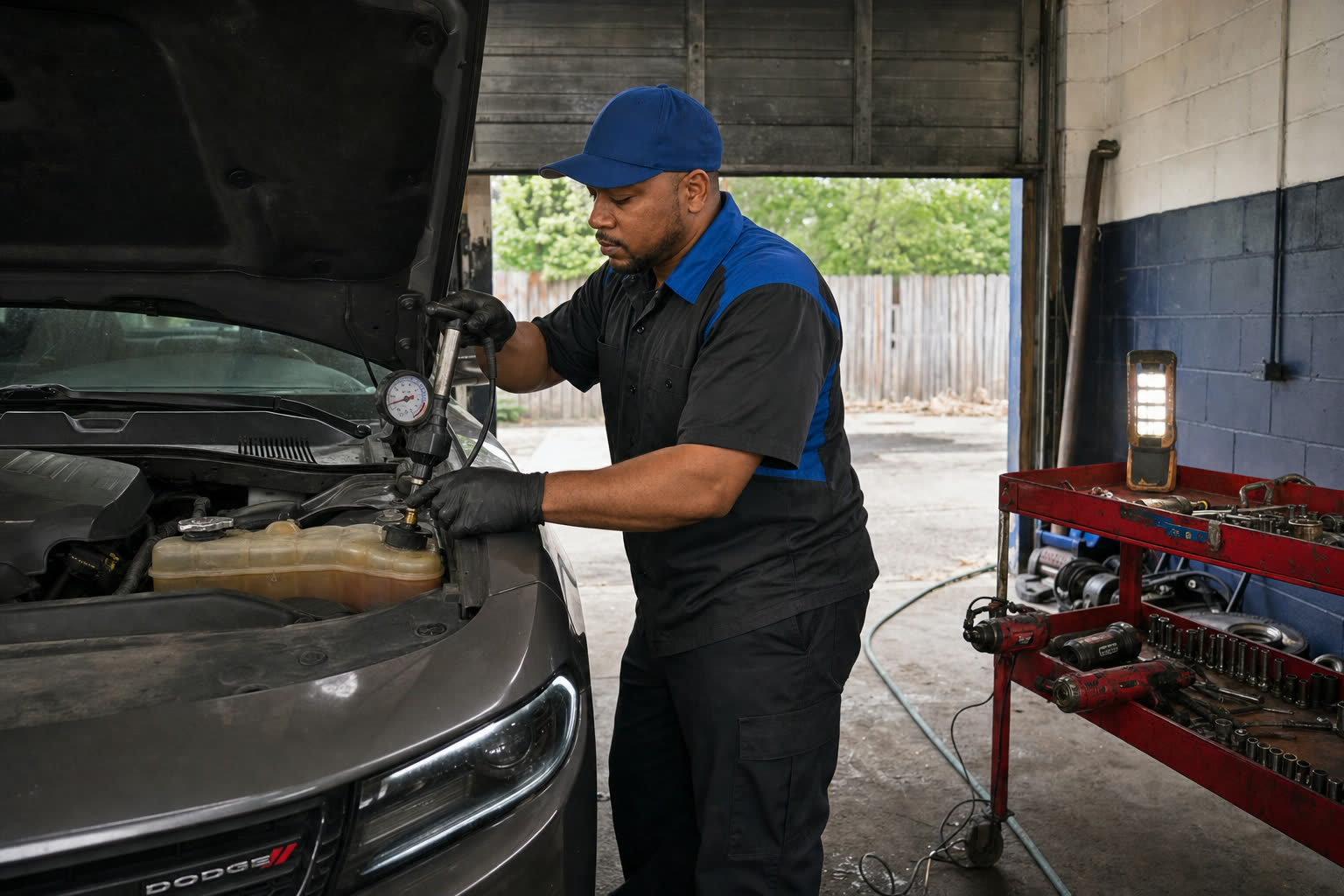
Front hits deserve extra attention. The radiator and the A/C condenser sit right behind the bumper. Even a low-speed bump can crack a plastic tank or bend a line. If you see coolant under the car or the temperature gauge starts climbing, pull over and shut it off. Our cooling system repair page explains what happens next.
Collision Repair in Detroit: Repair or Replace?
Not every damaged part needs to be replaced. It depends on the part, the kind of damage, and what makes sense for your car. Here is how it usually breaks down:
- Bumper covers are plastic. Small scuffs and minor cracks can often be repaired. Big tears or broken mounting tabs usually mean a new cover.
- Fenders and doors are metal. Shallow dents can often be worked out. Deep creases or stretched metal may be better replaced.
- Light housings that are cracked usually get replaced, since water gets inside and the light will not seal again.
- Brackets and supports behind the bumper can bend even when the outside looks fine.

A good shop should explain why each part is being repaired or replaced, not just hand you a list. If a part could go either way, you should hear that too, along with the tradeoffs.
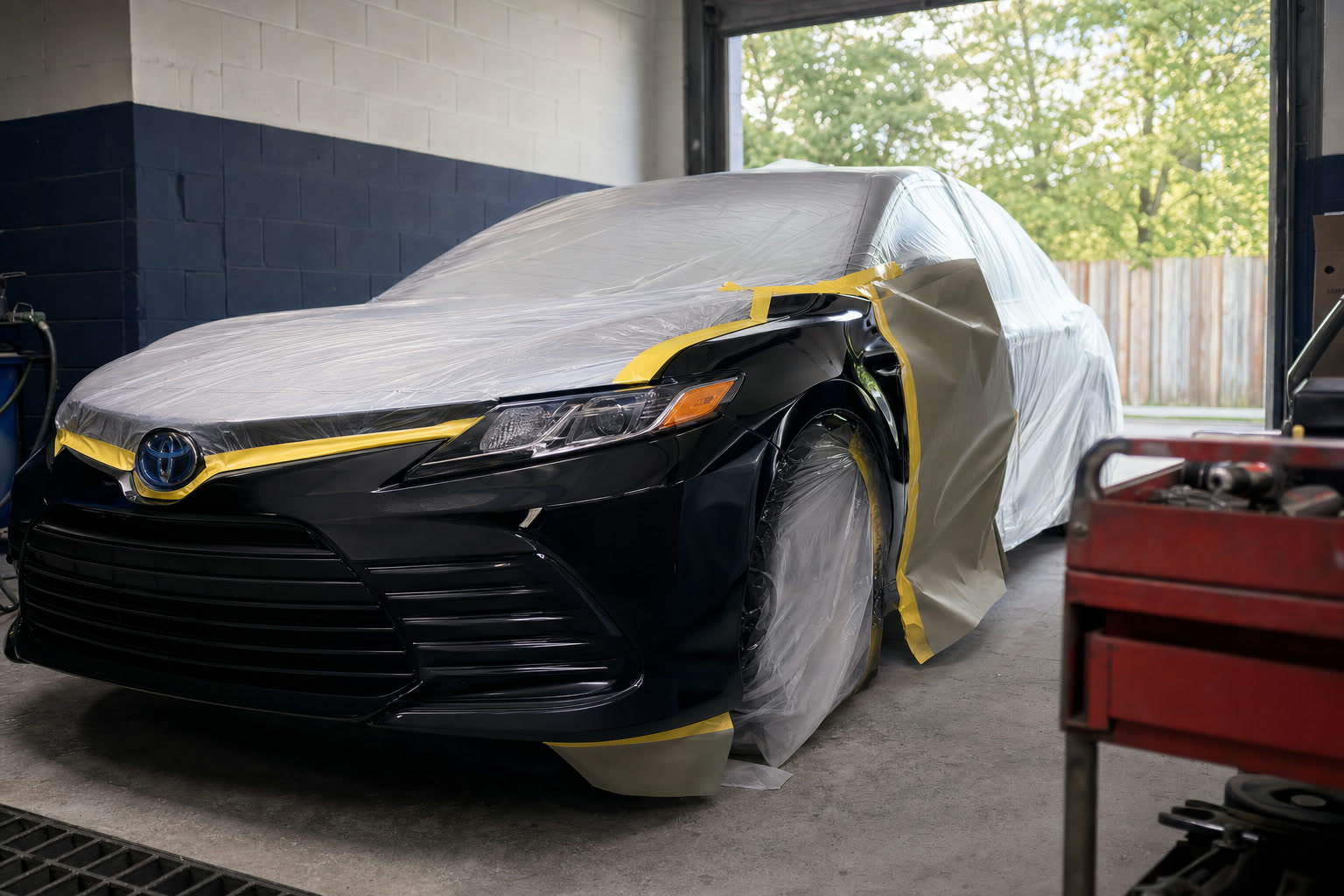
Paint is part of that conversation. A repaired panel needs primer and paint that blends with the rest of the car, so the fix does not stand out every time you walk up to it. Masking protects the parts that are not being painted, like trim, glass and lights. It takes patience, but it is the difference between a repair that looks patched and one that looks like it was never hit. Ask to see the finish in daylight before you take the car home.
Why Chipped Paint Matters in Michigan
Here is the part people skip. After a bump, you may find a small chip or scrape that goes down to bare metal. It looks minor. But Michigan roads get a lot of salt every winter. Public agencies here use nearly 2 million tons of it a year. Salt and moisture work their way into that bare spot, and rust starts.
Rust does not stay small. It creeps under the paint around it, and by the time you see bubbles, the repair is bigger than the chip ever was. Salt corrosion also goes after parts underneath, like brake lines and the undercarriage. That is why a hit that scrapes or bends something low on the car is worth a closer look.

If your fender bender left bare metal, getting it sealed before winter is one of the smartest moves you can make. Whether you park on the street in Fiskhorn or in a driveway in Plymouth-Hubbell, the salt trucks come through every neighborhood.
Broken lights, a hood that will not latch, a fluid leak, a new warning light, or a car that pulls or steers differently. Get these checked before regular driving.
Paint chipped or scraped down to bare metal, especially heading into fall. Rust starts there.
Small scuffs in the clear coat that did not reach metal. Fix them when it makes sense for you.
How Tees Handles Collision Repair
At Tees Auto Repairs, collision repair starts with a walk-around. We look at the damage with you and point out everything the hit affected, including what is behind the bumper. Then we explain which parts can be repaired and which ones should be replaced, and why.
From there it is bodywork, primer and paint, done with care. We work to match your color and finish. Before you drive away, we check panel gaps, lights and the finish with you. If the hit also affected something like a strut or a steering part, we tell you that too and let you decide what comes first. Our suspension repair page covers what those parts do.
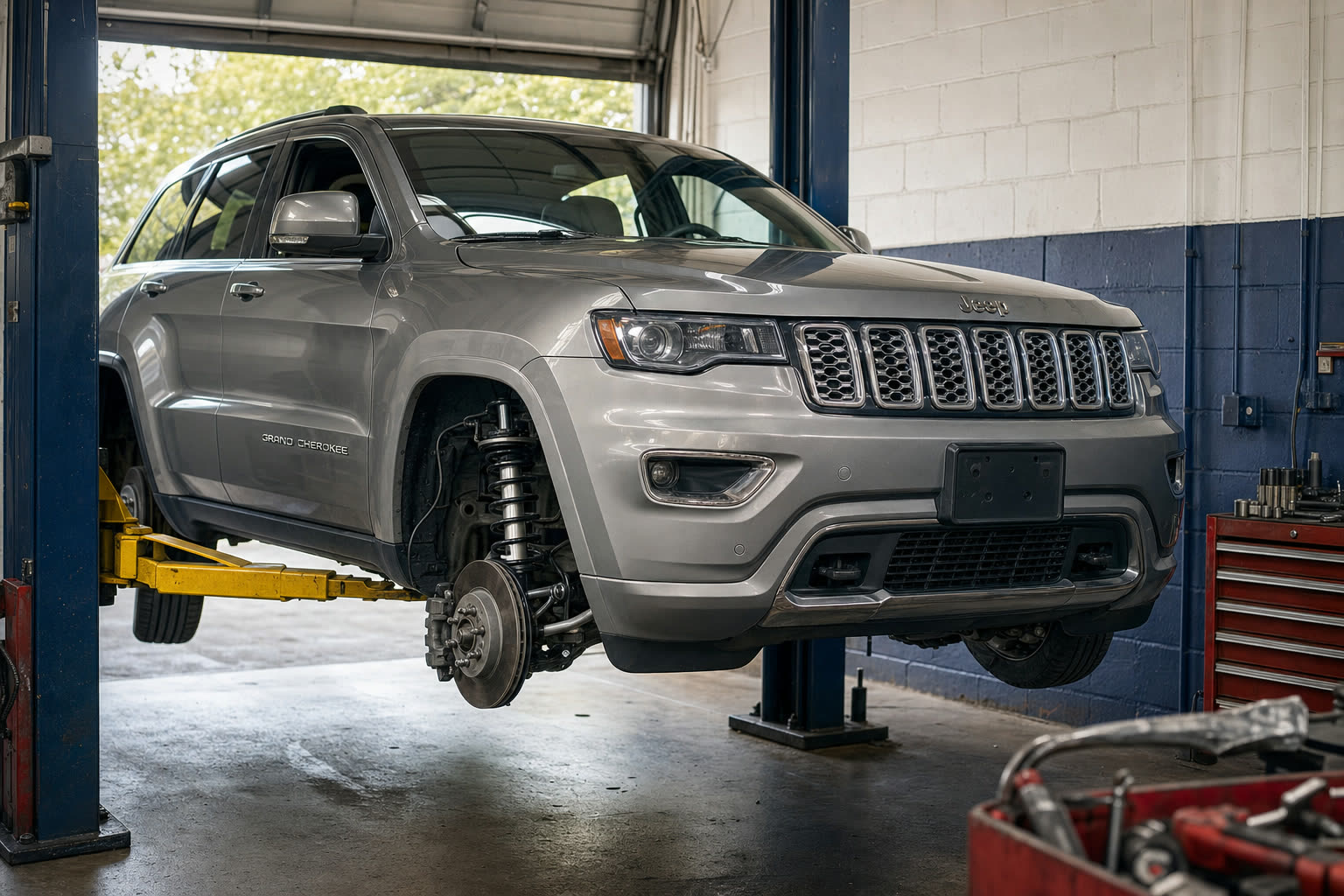
A few last tips. Take photos right away, even of small damage. Do not wait on bare metal once the weather turns cold. And if the car feels different after the hit, trust that feeling. Drivers come to us from all over the west side, from Warren Ave Community, from past Henderson Academy on W. Chicago, and in from out by Rouge Park. Wherever you are coming from, you deserve a clear answer on what the hit did and what it will take to fix it. Questions? Reach the shop here.
Questions Detroit drivers ask
It can be, if your lights work, the hood latches, nothing is leaking or dragging, and the car steers normally. If any of those are off, get it checked before regular driving.
If it goes down to bare metal, yes, and sooner is better in Michigan. Road salt gets into bare spots and starts rust. If it is only a light scuff in the clear coat, it can wait.
A hit near a wheel can bend a steering or suspension part or knock the alignment out. If the steering wheel is off-center or the car pulls, have it checked.
Tees Auto Repairs at 9373 Hubbell Ave serves drivers across Detroit’s west side, including Fiskhorn, Plymouth-Hubbell, Warren Ave Community, Garden View, Franklin Park, Warrendale and Rosedale Park, plus nearby Dearborn, Dearborn Heights, Redford Township and Livonia. Call or text (313) 370-8603.