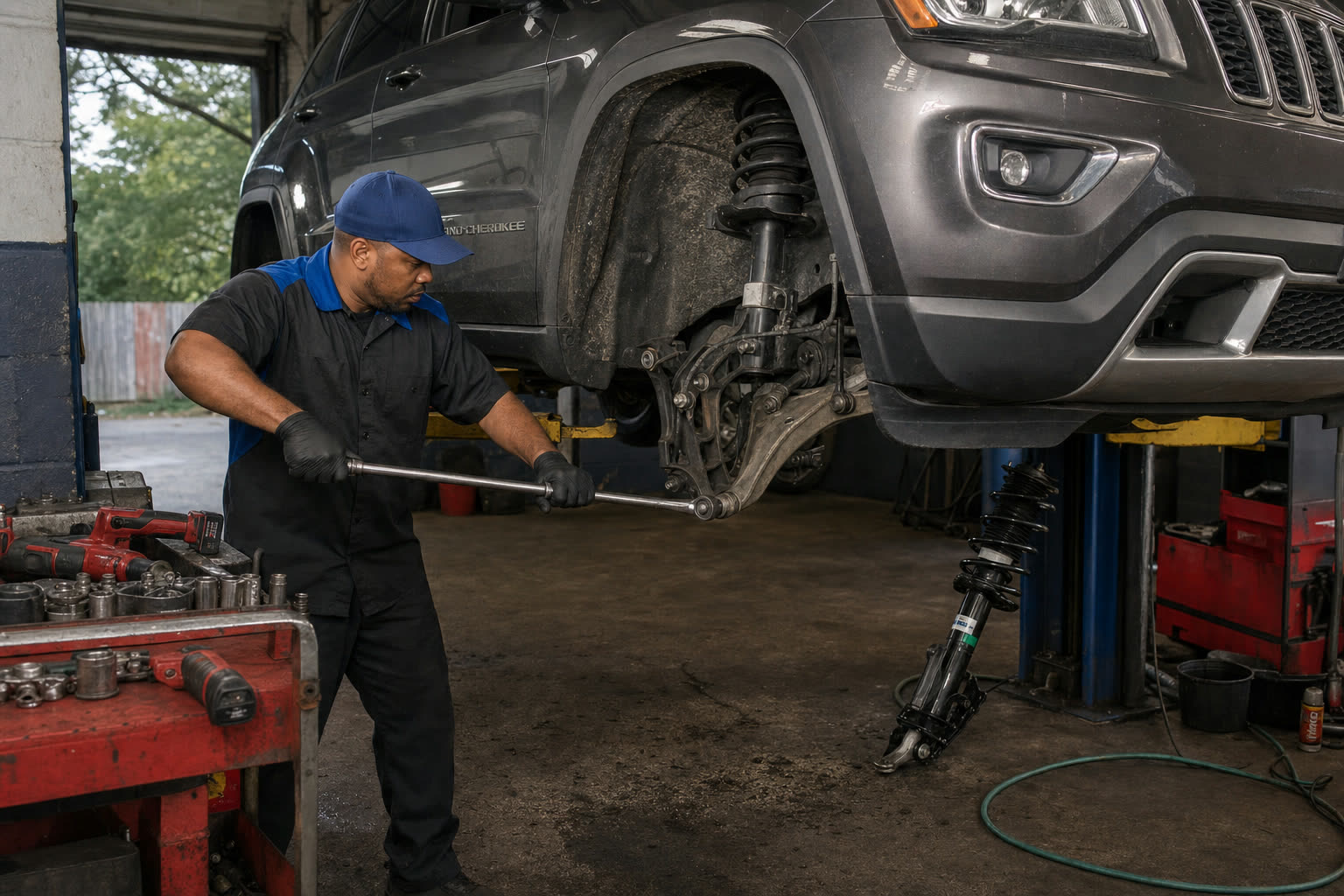
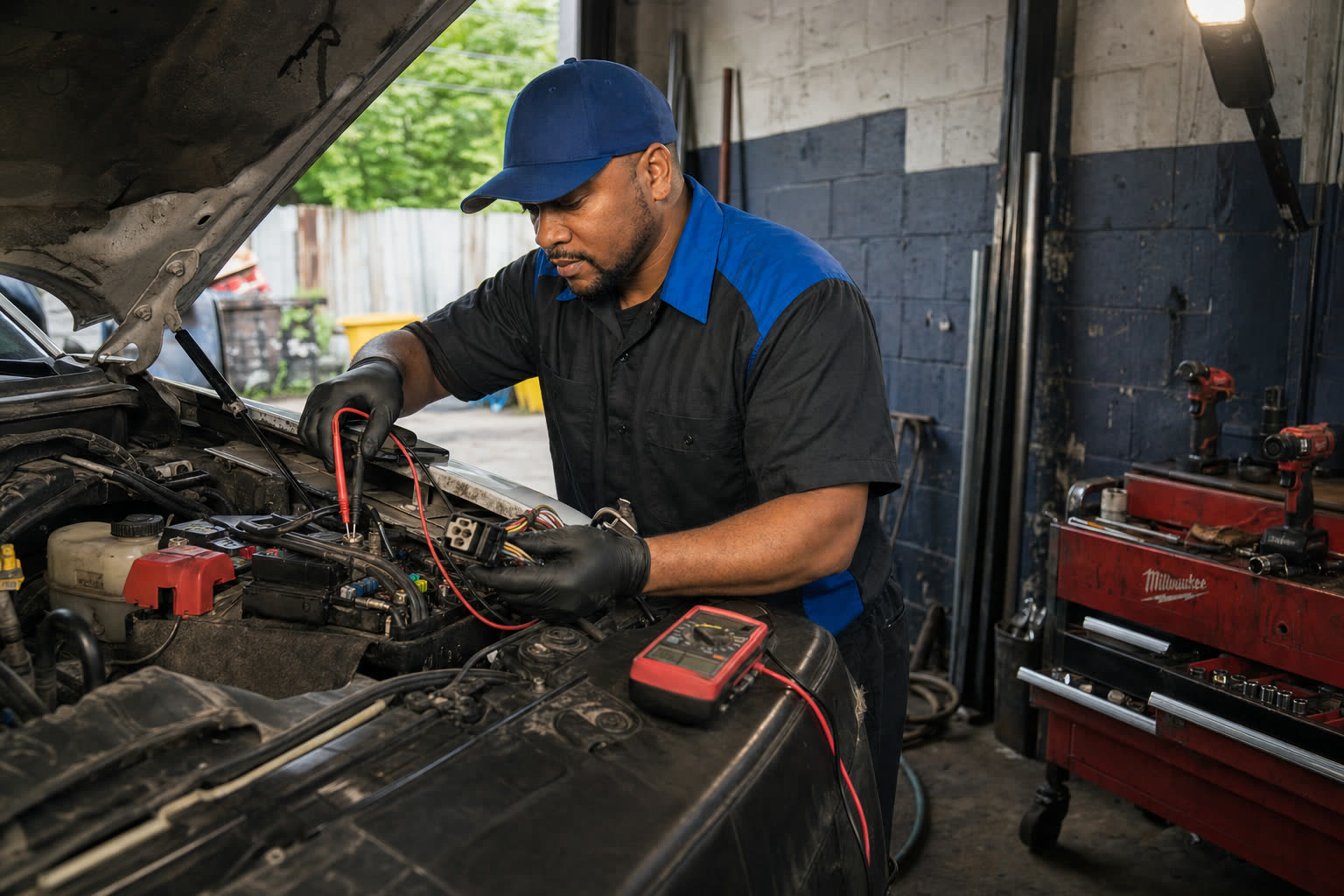
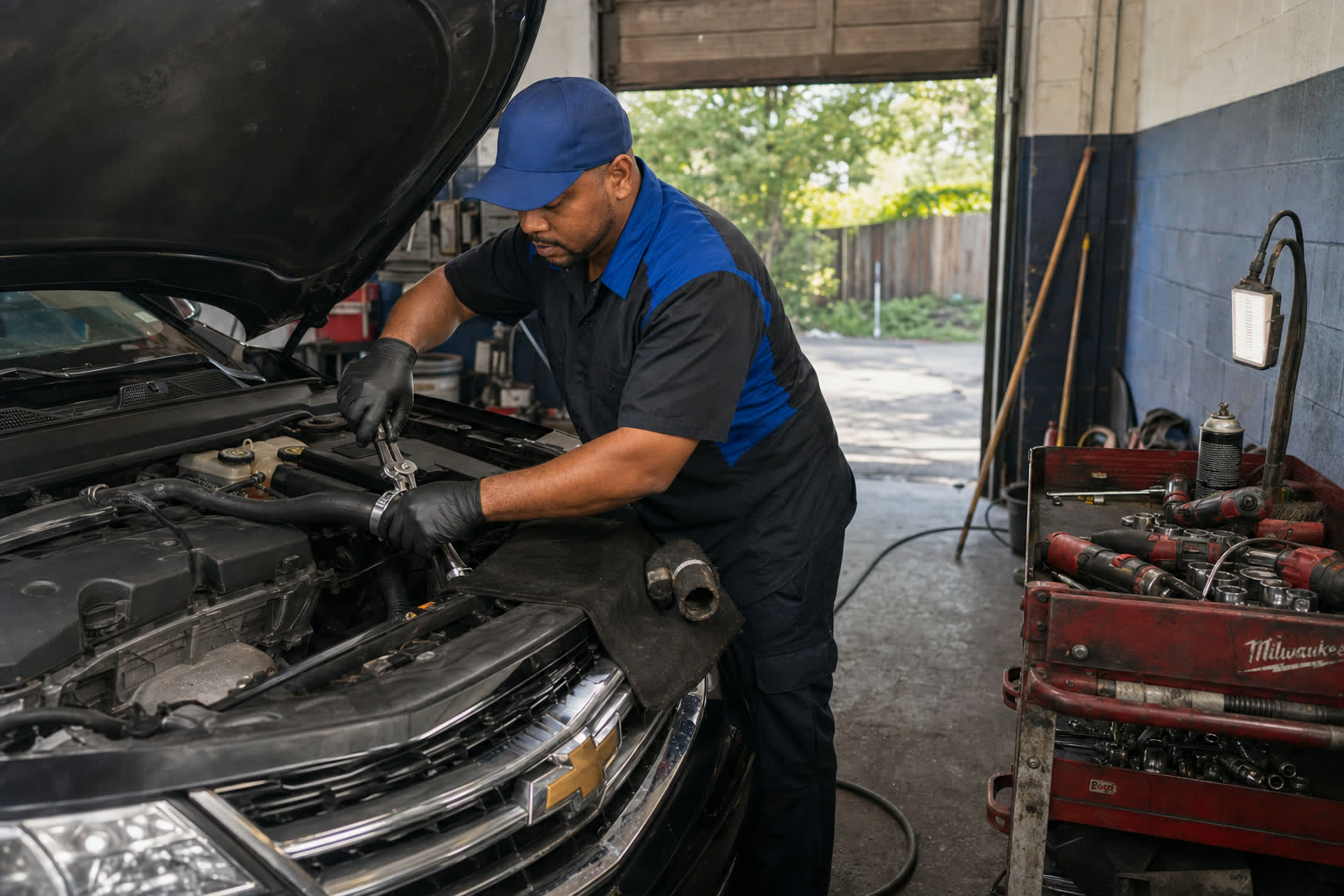
- A light scrape on the first few stops after a wet night is often just surface rust and can clear up on its own.
- A steady high squeal usually means the pads are getting thin. Plan for it soon.
- Grinding, a soft pedal or a brake warning light should be checked now.
- Salt from Detroit winters can wear on brake lines and hardware, not just pads.
You back out of the driveway on the first warm morning of spring and hear it. A squeal. Maybe a scrape. Maybe a low grind that makes you wince. After a long Michigan winter, a lot of drivers start searching for brake repair Detroit shops the same week. The good news is that not every brake noise is bad news. Some sounds are normal. Some mean plan ahead. A few mean get it looked at now. This guide walks through what each noise usually means, in plain English, so you know where you stand before you pick up the phone.
Why Detroit Winters Are Hard on Brakes
Your brakes live right next to the road. Every slushy mile on Plymouth Rd or the Southfield Fwy throws water, grit and salt up into the wheels. Michigan public agencies use nearly 2 million tons of road salt a year. That salt keeps us from sliding, but it does not stop at the pavement. It sticks to rotors, calipers, pad hardware and brake lines.
Salt corrosion has been tied to brake line problems, and automakers have issued recalls on millions of vehicles for salt-related rust. That does not mean your car is in trouble. It means brakes on a Detroit car deserve a closer look after winter than brakes on a car that spends its life somewhere dry.
Here is what salt tends to do. It builds rust on the face of the rotor, which can cause noise and a rough feel when you stop. It can make the small clips and slides that hold the pads seize up, so a pad drags or wears unevenly. And over years, it can eat at the steel brake lines that carry fluid to each wheel. Short trips and a car that sits outside make all of this a little worse, because the parts never fully dry out between drives.
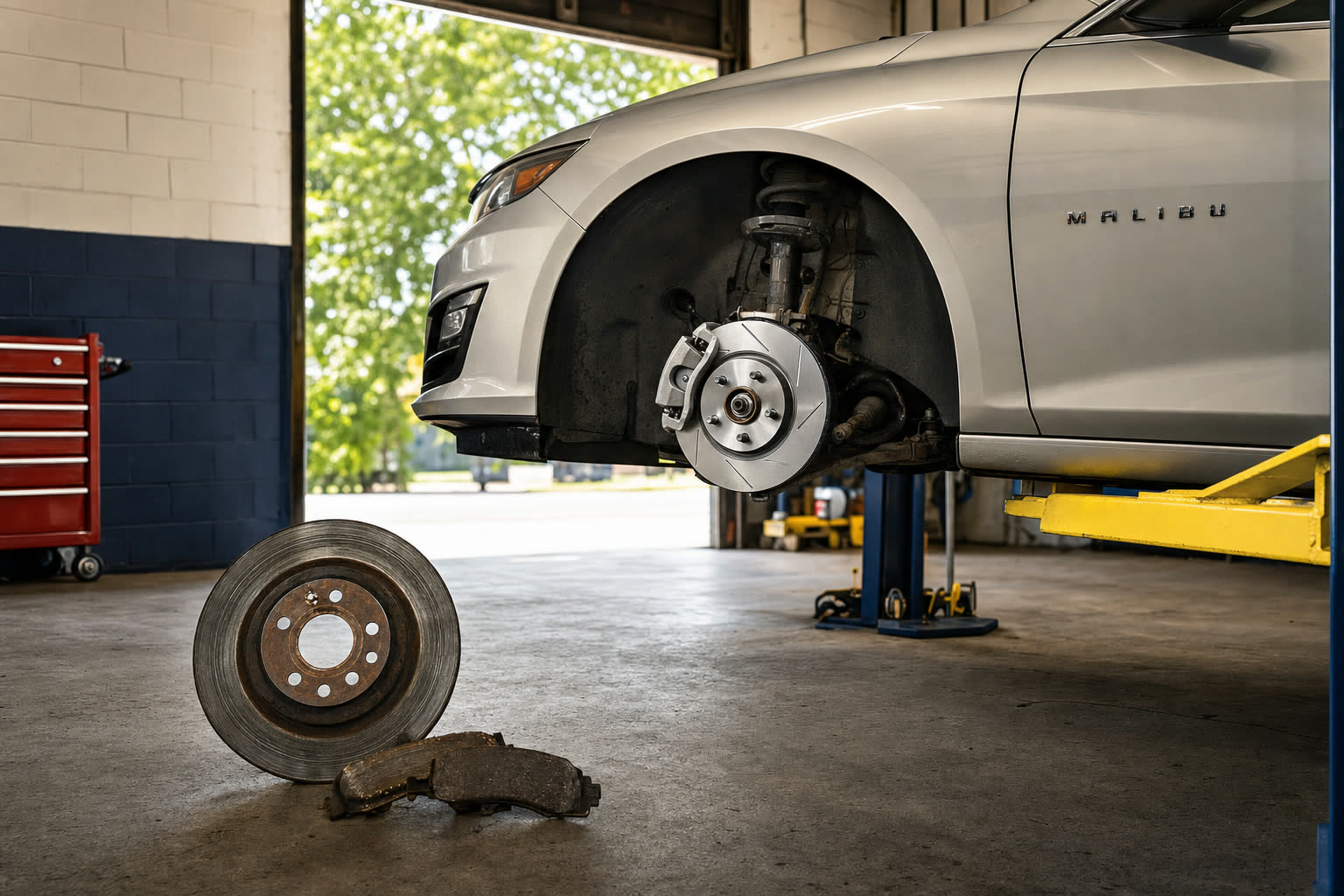
What Each Brake Noise Usually Means
Think of brake sounds like a car talking to you. Here is the short translation.
A light scrape on the first few stops
If your car sat outside overnight in wet weather, a thin layer of rust can form on the rotors. The first few stops scrape it off. If the noise goes away after a block or two, that is usually normal. If it sticks around all day, it is worth a look.
A high-pitched squeal
Many brake pads have a small metal tab called a wear indicator. When the pad gets thin, that tab touches the rotor and squeals on purpose. It is a built-in reminder. A squeal can also come from glazed pads, brake dust, or loose hardware that rusted over the winter. Each one has a different fix, which is why it helps to have someone actually look.
A grinding or metal-on-metal sound
Grinding is the one not to ignore. It often means the pad material is gone and metal is rubbing on metal. That wears the rotor fast and makes stops longer. It can also be a rusted piece of hardware or a stone caught in the brake. Either way, this is a now item.
A clunk or click when you first press the pedal
A single clunk when you start braking can mean a pad is loose in its bracket or a caliper bolt needs attention. It is often simple to fix, but it should not be left alone for months.
Other Signs Your Brakes Need a Look
Noise is not the only clue. Watch for these too:
- The pedal feels soft or spongy, or sinks toward the floor
- The car pulls to one side when you stop
- The steering wheel or pedal shakes when braking
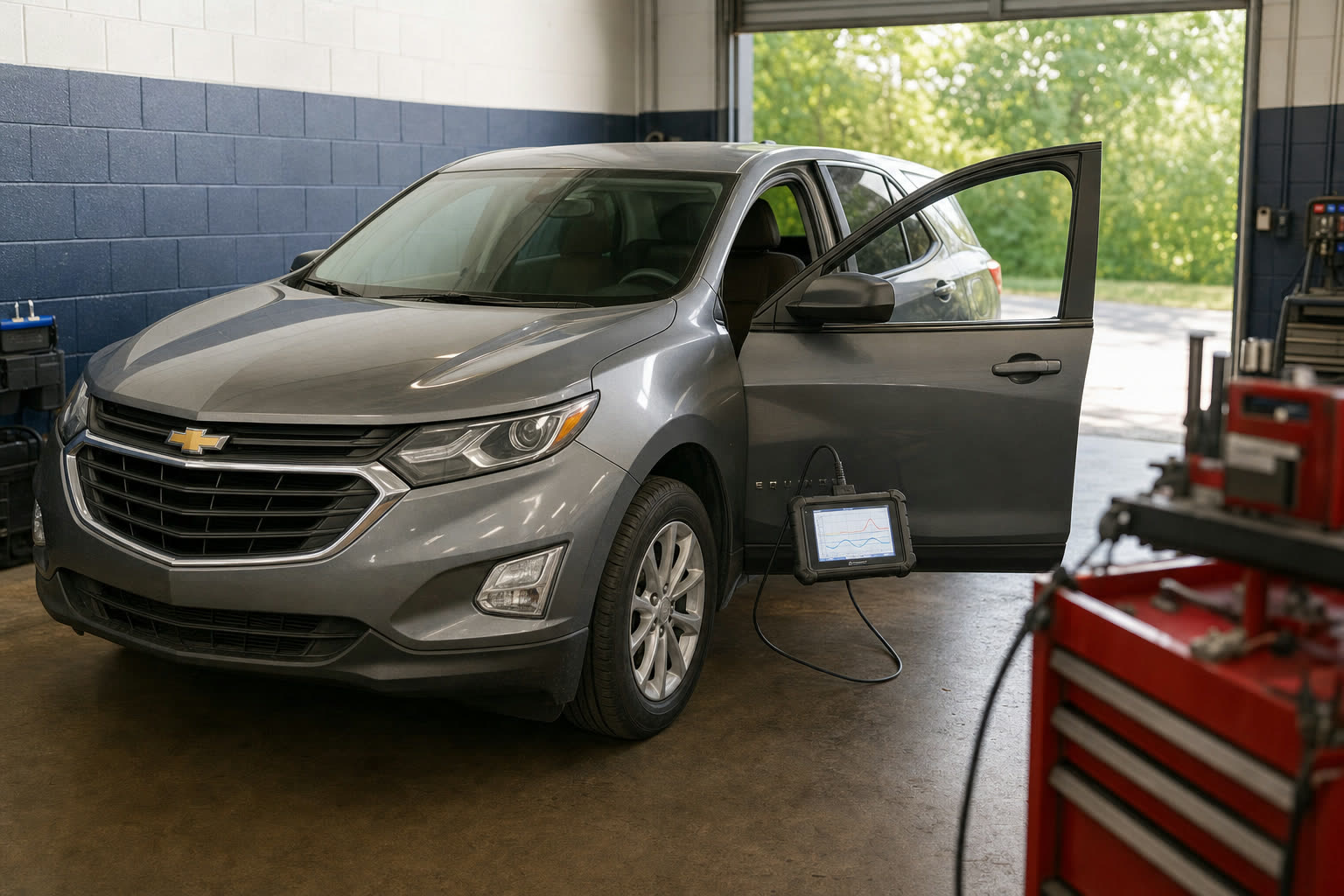
- The brake warning light or ABS light is on
- A wheel smells hot or looks much dirtier with brake dust than the others
- It takes longer to stop than it used to
A soft pedal or a pull to one side can point to a sticking caliper or a problem in the brake lines. Those are worth checking before a long drive.
Grinding, a soft or sinking pedal, a brake fluid leak, or a brake warning light. These affect how the car stops, so get it checked before you keep driving.
A steady squeal from the wear indicator, or a shake in the pedal from worn rotors. Not an emergency, but plan for it in the next few weeks.
A quick scrape on cold, wet mornings that clears up, or rear pads that still have life left. We note it and check again next visit.
Brake Repair in Detroit: How Tees Handles It
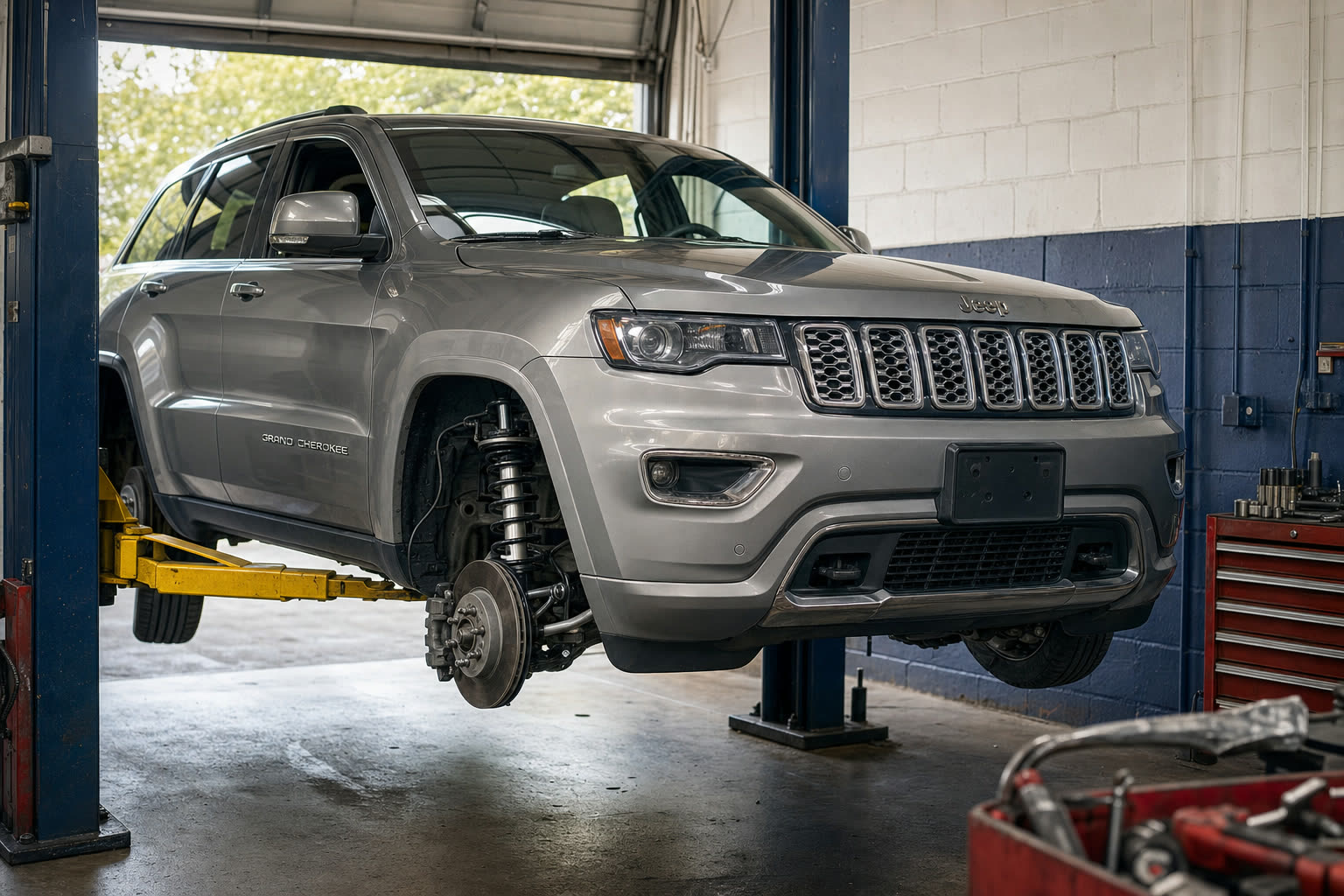
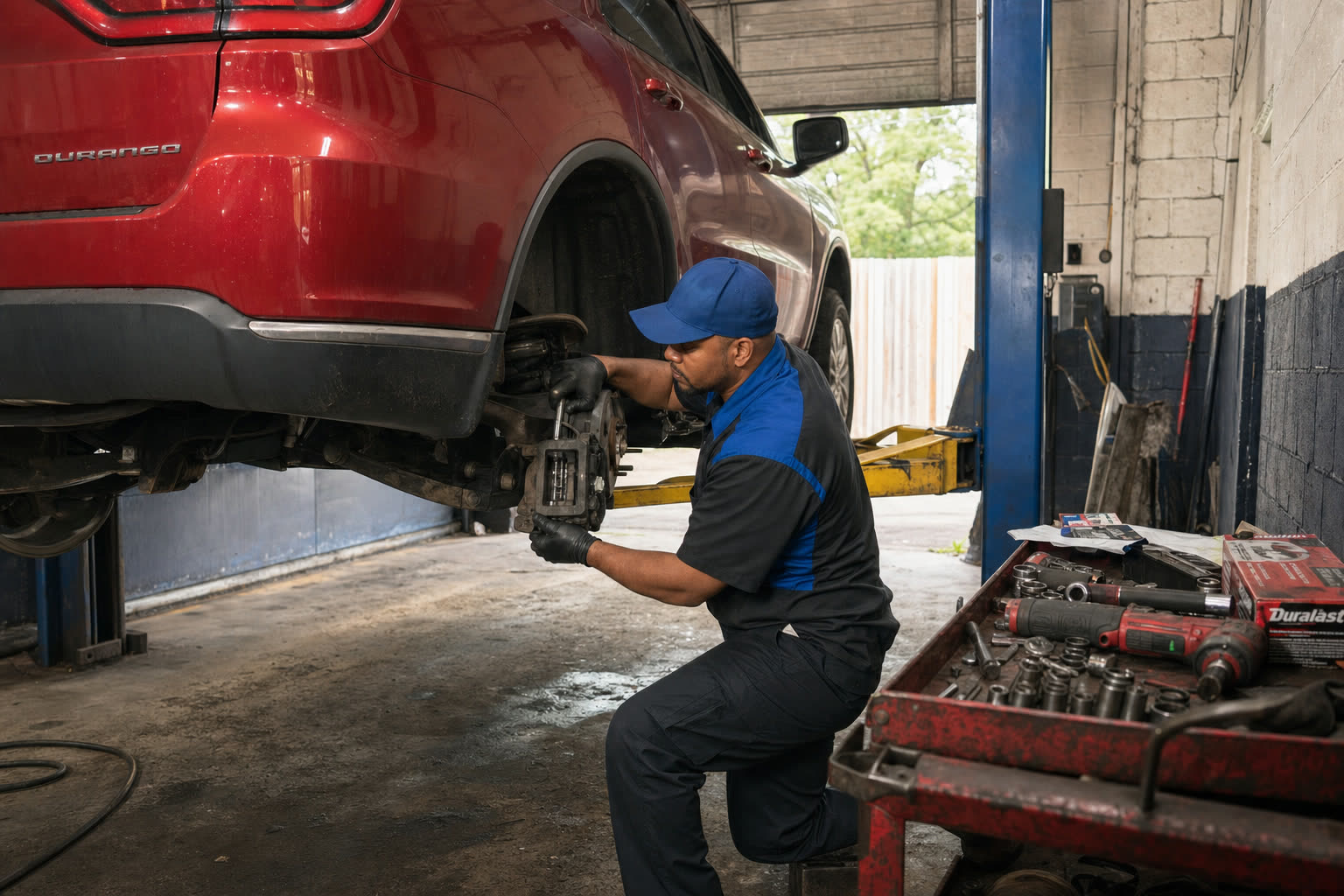
At Tees Auto Repairs on Hubbell Ave, the goal is simple. Find out what is really making the noise, show you, and let you decide. We start with a road test so we hear what you hear. Then we look at the whole system: pads, rotors, calipers, hoses, lines and fluid, front and rear.
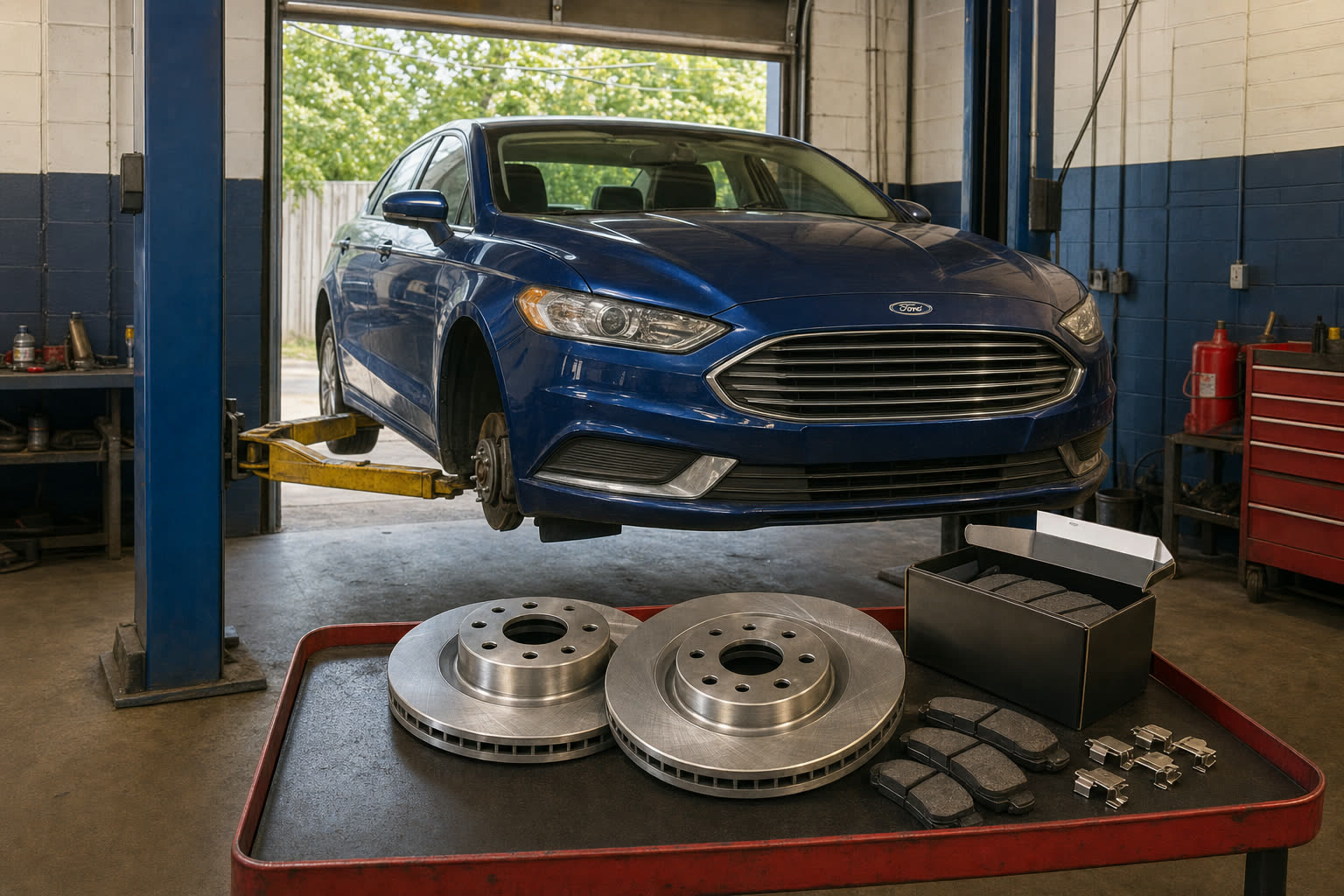
Then we tell you straight. If your rotors are still thick enough and not warped, they can stay. If your front pads are worn but the rears have life left, we will say so and handle the front first. You get options in plain English, not a list of extras. You can read more about how we work on our brake repair page.
Plenty of our customers drive in from Plymouth-Hubbell, Franklin Park and Warrendale. Whether you use the car for errands or weekend trips out to Rouge Park, the brakes should stop you straight and quiet every time.
Simple Tips to Help Your Brakes After Winter
- Rinse the underside and wheels once the salt season winds down. Getting salt off helps slow rust.
- Pay attention to new sounds. A noise that changes or gets louder is worth a call.
- Do not wait on grinding. It usually gets worse, and it can turn a pad job into a rotor job.
- Take it easy for the first few stops on wet mornings to clear surface rust gently.
- Ask for a brake look when you come in for other work, like an oil change. The wheels are already easy to check.
The Bottom Line on Brake Noises
Brake noises after a Detroit winter are common. Most have a simple cause. The trick is knowing which ones can wait and which ones cannot. Grinding, a soft pedal or a warning light are now. A squeal is usually soon. A quick scrape that goes away is often just monitor. If you are not sure, that is what a good shop is for. On your way past Mallett Park on Hubbell, stop in or reach out and we will tell you what we find.
Questions Detroit drivers ask
A short squeak or scrape on the first few stops is often just surface rust on the rotors. If it goes away quickly, it is usually normal. If it lasts all day or gets louder, have it checked.
It is best not to. Grinding often means metal is rubbing on metal, which wears parts fast and can make stops longer. Call the shop and tell us what you hear.
No. If the rotors are still thick enough and not warped, they can stay. We measure and look first, then tell you what your car actually needs.
Tees Auto Repairs at 9373 Hubbell Ave serves drivers across Detroit’s west side, including We Care Community, Plymouth-Hubbell, Franklin Park, Warrendale, Joy-Schaefer, Paveway, Grandmont and Rosedale Park, plus nearby Dearborn, Dearborn Heights, Redford Township and Livonia. Call or text (313) 370-8603.