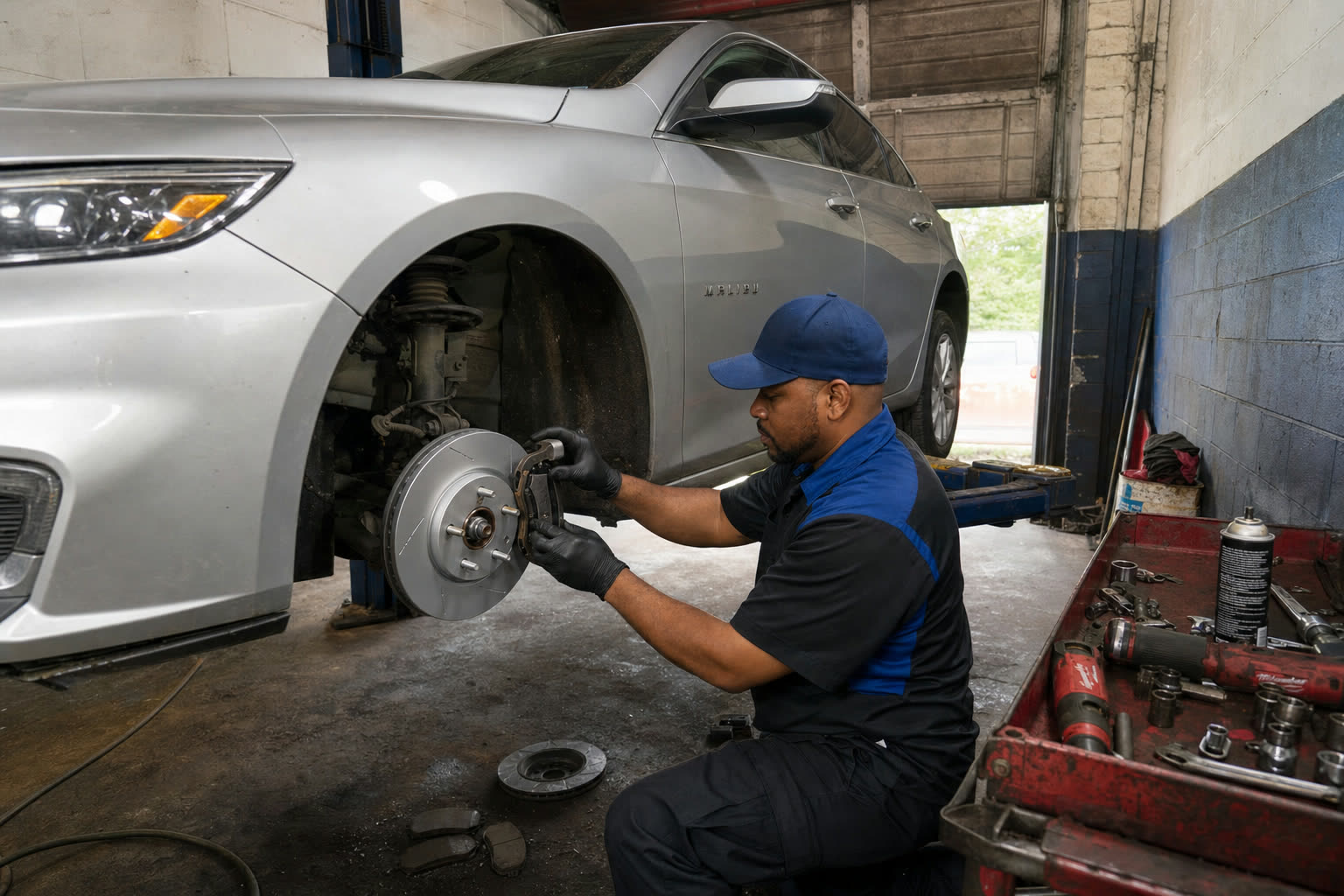
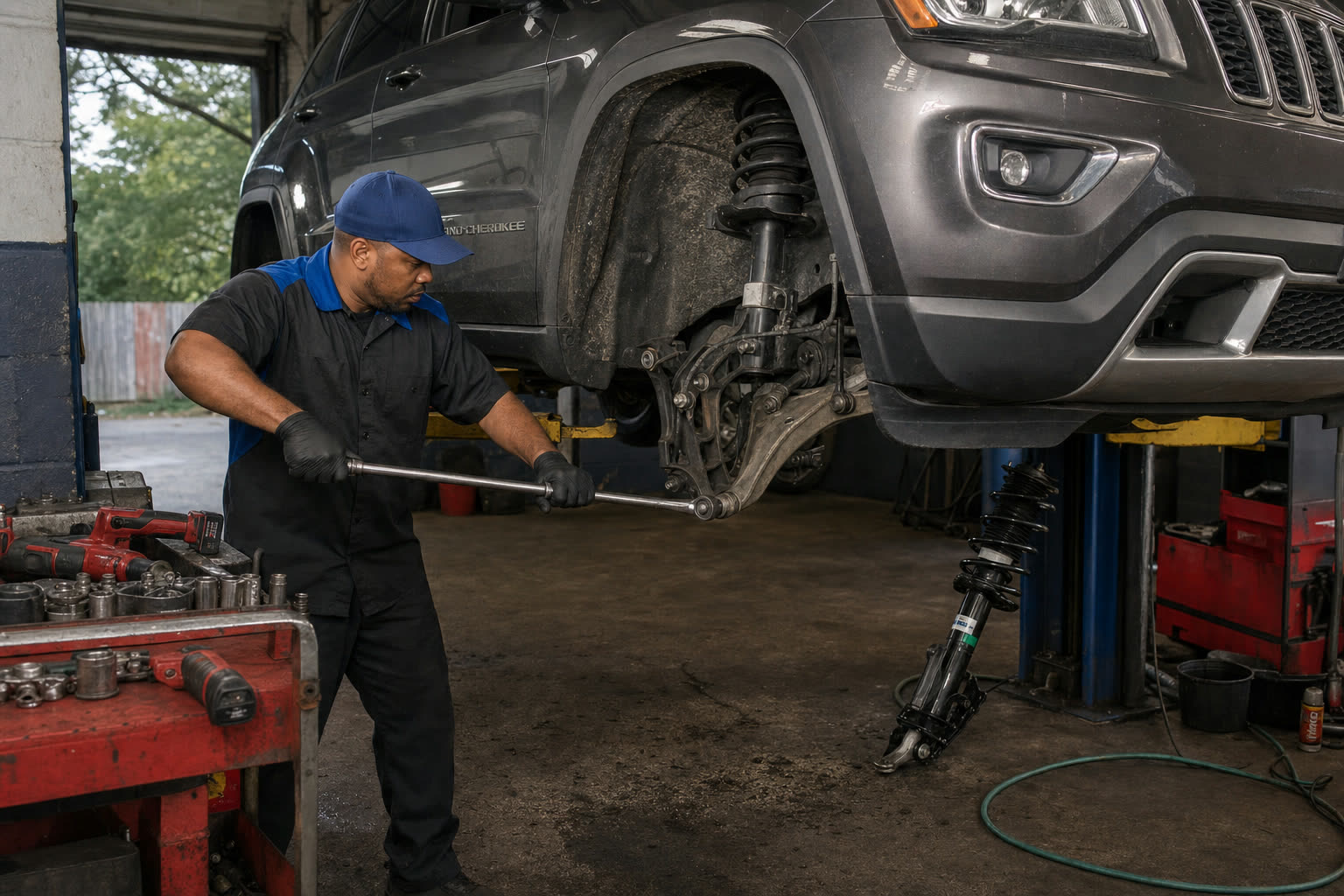
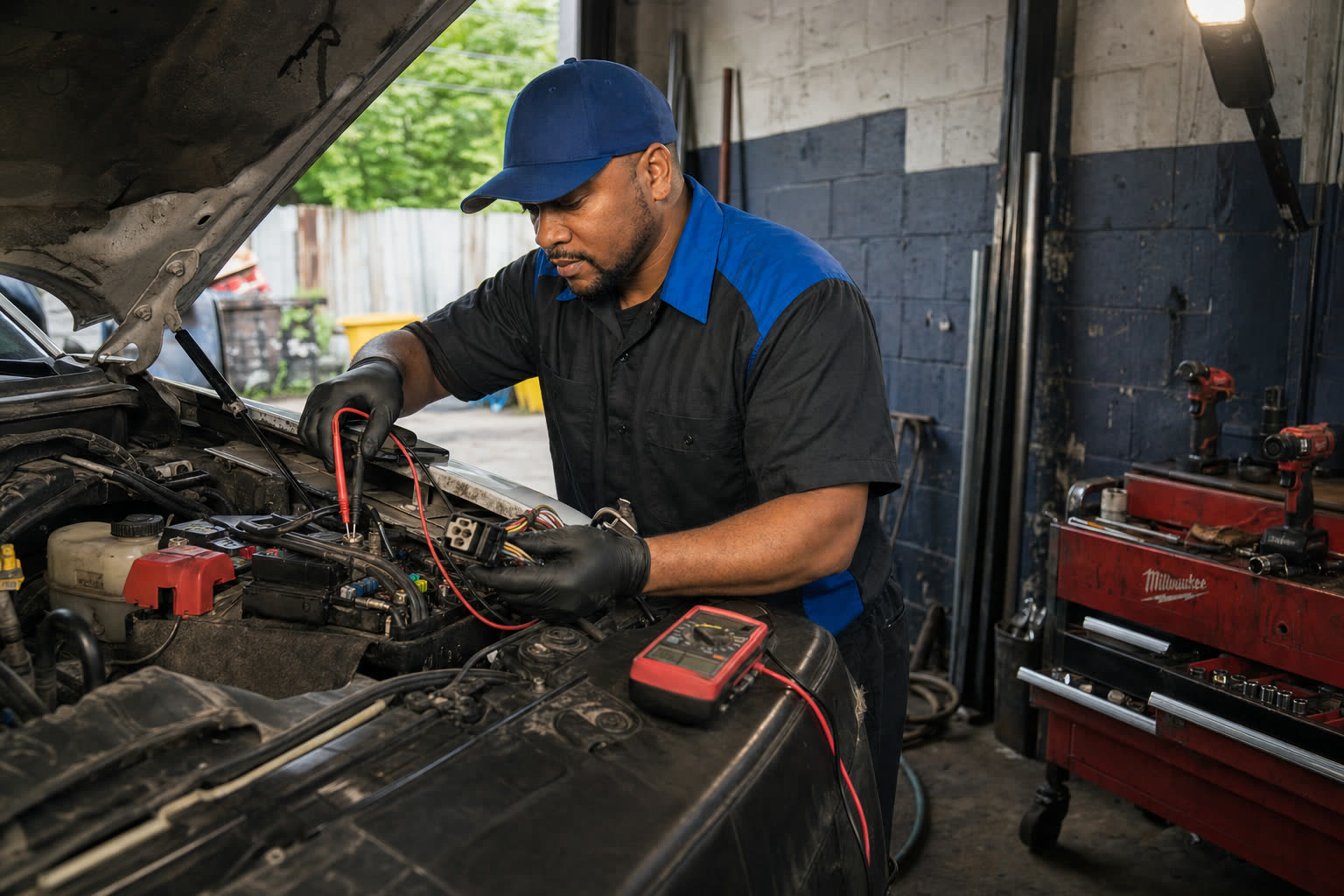
- A steady light usually means get it checked soon. A flashing light means ease off and call.
- A trouble code points to where the problem is, not always what caused it.
- Common causes include a loose gas cap, worn plugs or coils, sensors and low voltage.
- Testing before replacing parts keeps you from paying for guesses.
You are driving down Schaefer Hwy and a small orange engine symbol lights up on the dash. Your stomach drops. Is the car about to quit? Can you finish your day? A check engine light Detroit drivers see can mean a lot of different things, from a loose gas cap to a misfire. The good news is that the light tells you more than you might think, starting with one simple clue: is it steady, or is it flashing?
Here is what the light actually is, what the two versions mean, and the simple steps to take when it comes on.
What the Check Engine Light Actually Is
Your car has a computer that watches the engine, the fuel system and the emissions system. When a sensor reads something outside its normal range, the computer stores a trouble code and turns on the light. Think of it as a heads-up, not a diagnosis.
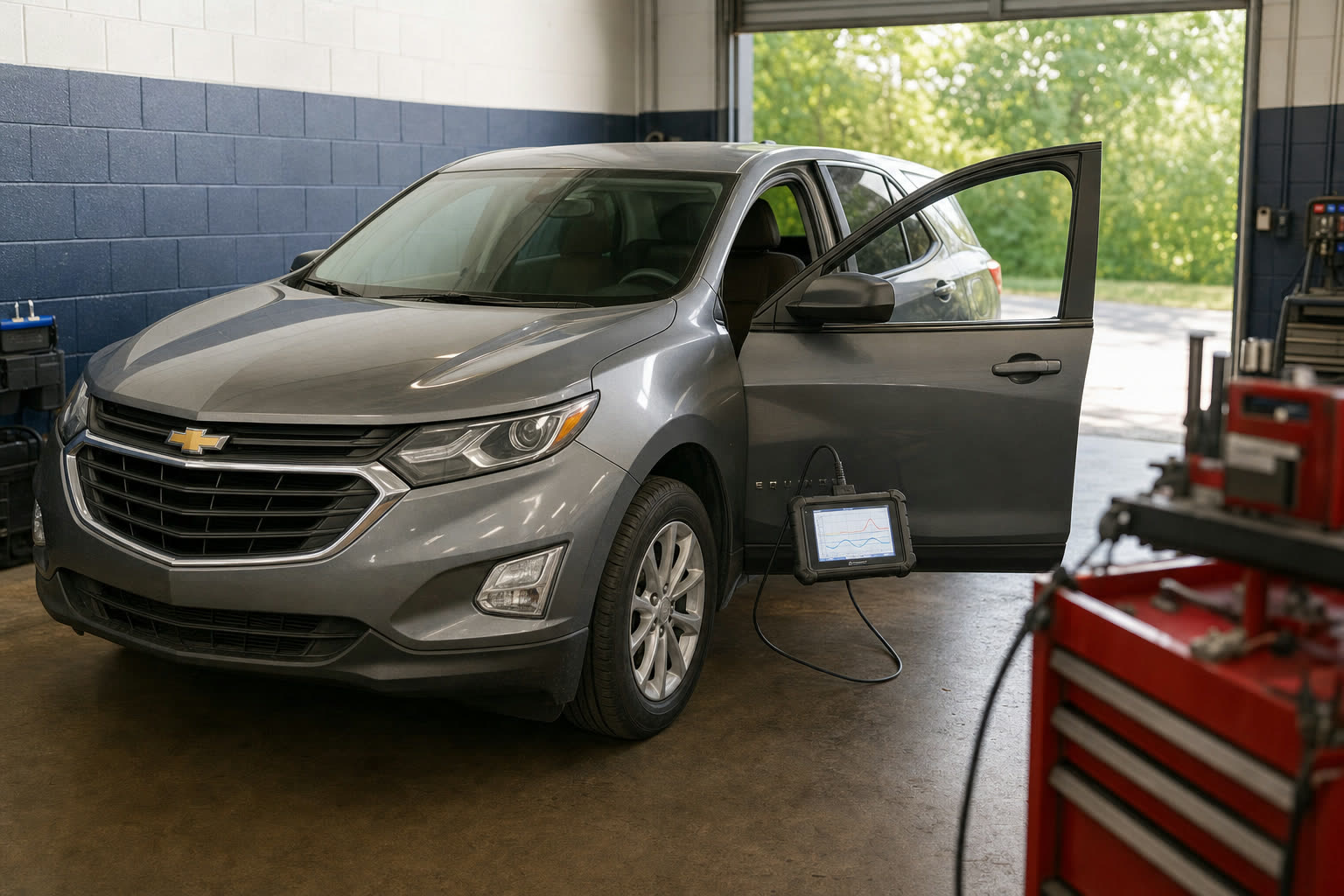
That code points a mechanic in the right direction. It does not tell the whole story. A misfire code, for example, can tell you which cylinder is having trouble, but not whether the cause is a spark plug, a coil, a fuel injector or a vacuum leak. Someone still has to test and look before anything gets replaced.
Steady or Flashing: What Your Check Engine Light in Detroit Means
A steady light means the computer found a problem that needs attention, but it is usually not an emergency. The car may drive normally. You should still get it checked soon, because small problems can grow, and some of them quietly cost you gas mileage along the way.
A flashing light is different. It usually means a serious misfire. Unburned fuel can go into the exhaust and overheat the catalytic converter, which is a costly part to replace. When the light flashes, ease off the gas, avoid hard acceleration, and get the car looked at before driving much more.
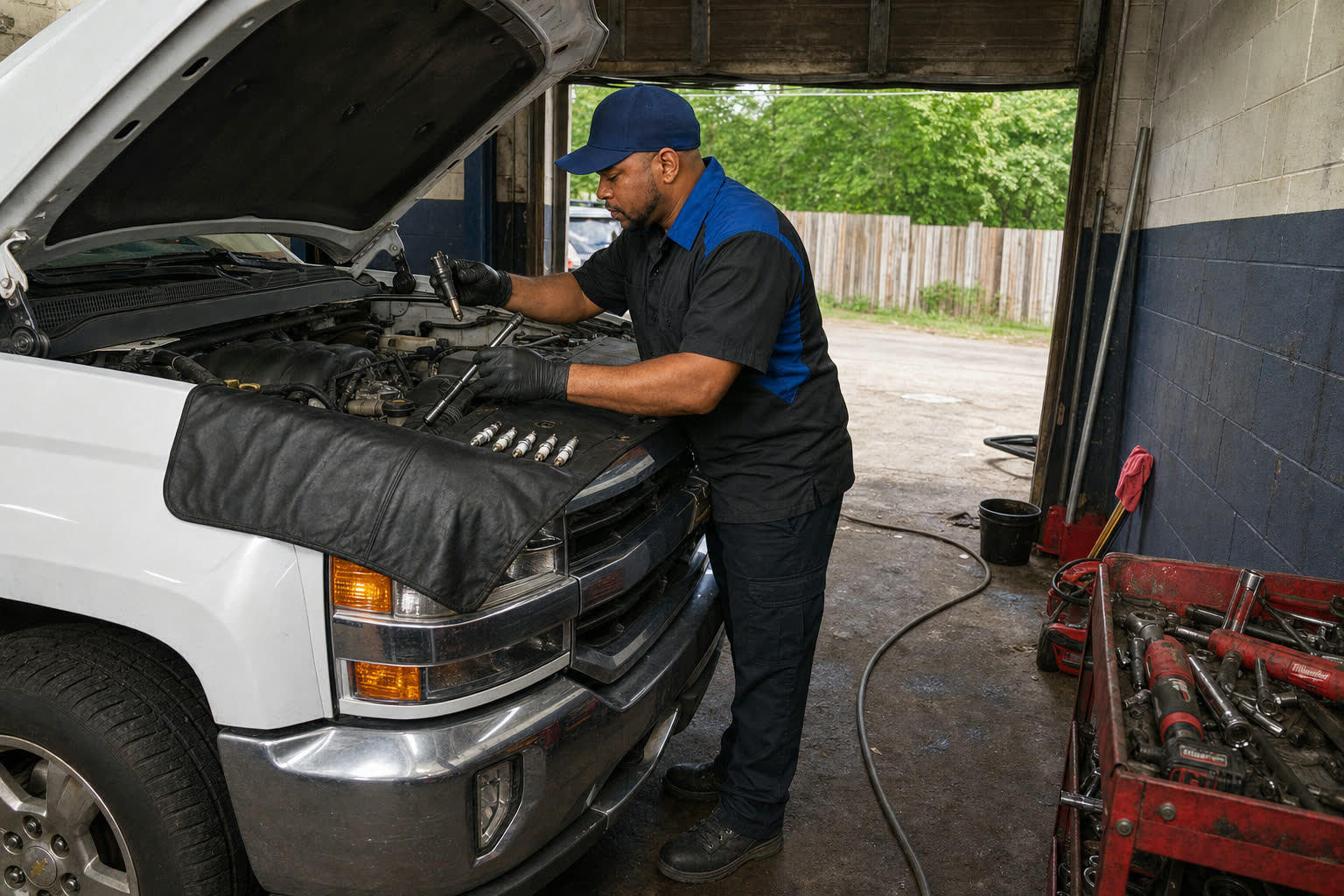
One more thing about a flashing light. Sometimes it flashes for a moment, then goes steady, then flashes again. That usually means the misfire comes and goes, often under load, like climbing a ramp or passing someone. Treat it the same way. The problem has not fixed itself just because the flashing stopped for a minute.
Common Reasons the Light Comes On
- A loose or worn gas cap. It can let fuel vapor escape and set a code.
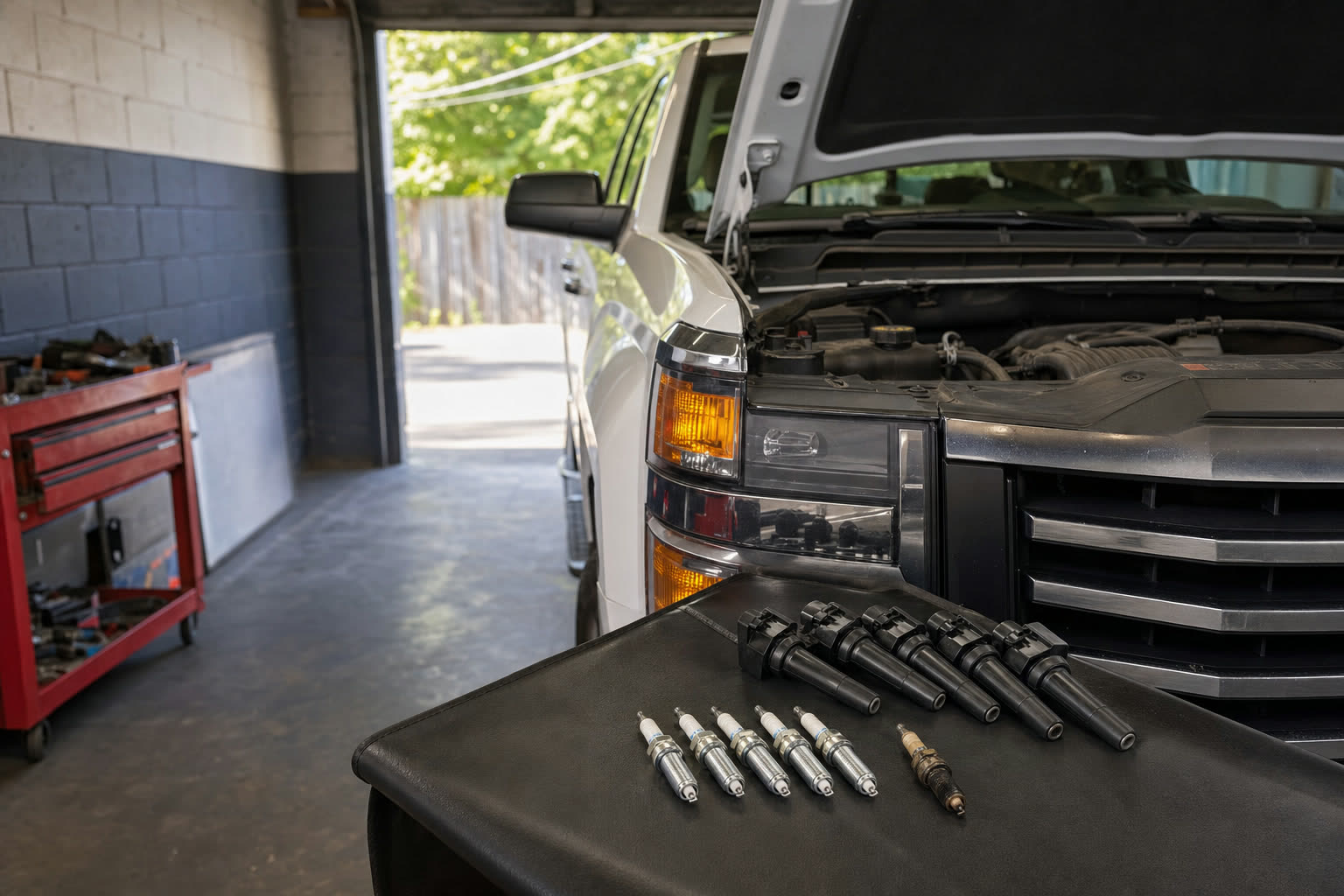
- Worn spark plugs or a weak ignition coil. These cause misfires, often worse on cold starts.
- An oxygen sensor. It reads the exhaust and helps the computer set the fuel mix.
- A vacuum leak. A cracked hose lets in extra air the engine did not plan for.
- A thermostat stuck open. The engine runs too cool and the computer notices.
- A weak battery or charging problem. Low voltage can confuse sensors and set odd codes.
Detroit weather plays a part. Cold starts are hard on plugs, coils and batteries, and the January average low here is 21°F. Summer brings its own stress, with humid July highs that average 84°F. Pothole season, from late February into early April, can also rattle loose an old connector or crack a tired vacuum hose.
What to Do When the Light Comes On
- Notice if it is steady or flashing. That is the most important clue.
- Pay attention to how the car feels. Shaking, power loss, new noises or smells all matter.
- Check your other gauges. If the temperature gauge is climbing or the oil light is on, pull over safely and shut the engine off.
- Tighten the gas cap if it seems loose. Some cars need a few days of driving before the light goes off.
- If it is flashing, ease off, skip the freeway if you can, and call the shop.
- If it is steady and the car drives normally, plan to get it scanned and checked soon.
Say you live in Aviation Sub and the light comes on during a morning drive along W. Warren Ave. If it is steady and the car feels normal, you can usually finish your errand and give us a call. If it is flashing and the car is shaking, it is smarter to take it easy on side streets and get it looked at than to push it.
A flashing check engine light, a car that shakes or loses power, or the light plus a climbing temperature gauge. Ease off and call the shop.
A steady light and a car that drives normally. Get it scanned and checked in the next few days.
A light that came on after a loose gas cap and went off once it was tightened. Keep an eye on it and let us know if it comes back.
How Tees Handles a Check Engine Light
At Tees Auto Repairs, we start by listening. What was the car doing when the light came on? Any shaking, smells or noises? Did it happen on a cold start or after a long drive? Then we scan the code. But we do not stop at the code. We test the parts it points to, so you are not paying for a sensor that was never the problem.

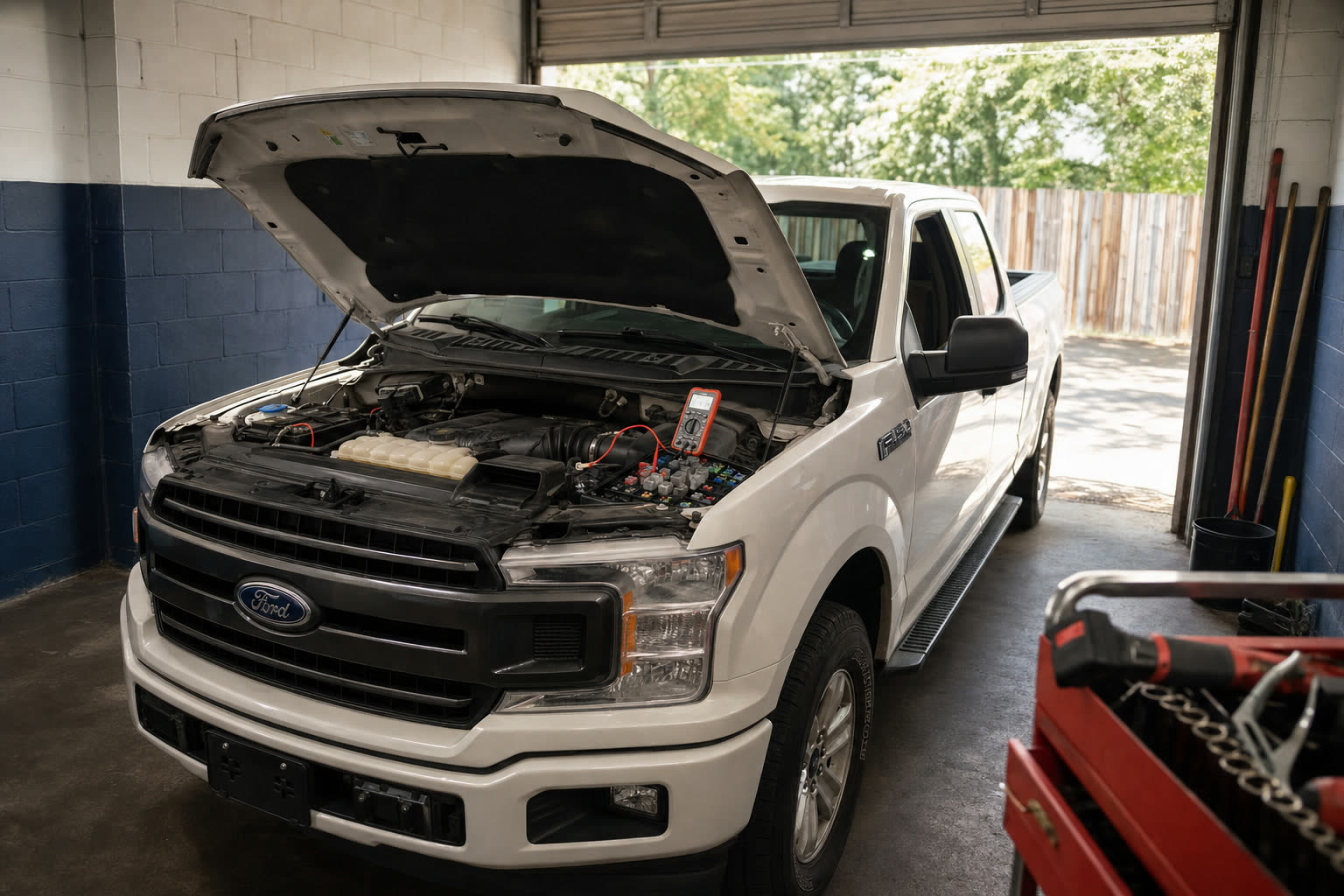
Sometimes the fix is simple. Sometimes it is a worn plug or coil that calls for a tune-up. Sometimes it is wiring, a sensor or the charging system, which falls under electrical repair. Whatever it is, we explain it in plain English, show you what we found when it helps, and sort the work into now, soon or monitor. If there are two ways to fix it, you hear about both, along with what each one costs.
Tips to Stay Ahead of the Light
- Keep up with tune-ups and oil changes. Many codes come from worn parts.
- Tighten your gas cap until it clicks after every fill-up.
- Have your battery tested before winter. Low voltage can set strange codes.
- Do not clear a code and forget about it. If it comes back, the problem is still there.
- Write down when the light came on and what the car was doing. That helps us find it faster.
Drivers from Barton-McFarland, Joy-Schaefer and Aviation Sub pass through this part of the west side every day, whether they are heading down to Ford Woods Park in Dearborn or over to Stoepel Park No. 2 on W. Chicago. Wherever you are headed, a check engine light is not something to panic over. It is your car asking for a look. Know steady from flashing, pay attention to how the car drives, and get a straight answer from a shop that tests before it replaces. Questions first? Reach the shop here.
Questions Detroit drivers ask
If it is steady and the car drives normally, you can usually drive it to get checked soon. If it is flashing, or the car shakes or loses power, ease off and call the shop first.
Sometimes, if the problem was small, like a loose gas cap. But the code may still be stored. If the light keeps coming back, something still needs a look.
No. The code tells us where to start looking. We still test the parts involved so we fix the real cause instead of guessing with your money.
Tees Auto Repairs at 9373 Hubbell Ave serves drivers across Detroit’s west side, including Aviation Sub, Barton-McFarland, Joy-Schaefer, Fiskhorn, Warrendale, Franklin Park and Grandmont, plus nearby Dearborn, Dearborn Heights, Redford Township and Livonia. Call or text (313) 370-8603.